Walk into any showroom and you’ll find buyers pressing their palm down on a mattress, declaring it feels “too soft” and asking for something firmer. That’s a classic Singaporean mistake, especially for the side sleeper. You might think you want that solid, unyielding feel—a mattress that seems to promise support—but your hips and shoulders will disagree by morning. In a typical 4-room BTO master bedroom, where a Queen is the standard choice, a mattress that’s too firm becomes a rigid plank that your body simply cannot negotiate.
The physics are straightforward. When you lie on your side, your shoulder and hip are the main pressure points pushing into the surface. A firm mattress doesn’t give way; it pushes back. Your spine, trying to find a neutral line, gets forced into a slight curve because those key joints aren’t sinking in enough. The single biggest decision for a side sleeper is firmness, so the mattress firmness scale of 1 to 10 is the tool to use — side sleepers generally want the softer-to-medium-firm range, where the surface cushions the shoulder and hip rather than resisting them. Back and stomach sleepers go firmer; side sleepers go softer. Body weight nudges it too, so a heavier side sleeper may want slightly more support. Shopping by a numbered firmness beats trusting a vague "soft" label that means something different on every mattress.. That misalignment translates directly into ache—a dull throb in the hip or a stiff shoulder that greets you when you roll out of bed. The fix isn’t about toughening up; it’s about letting the mattress do its job of contouring.
This is where the comfort layer thickness matters. A side sleeper needs that top section to be soft enough to cradle, yet deep enough to provide proper sink without hitting a hard base too quickly. Memory foam or latex layers around five to eight centimetres thick are typical for this. They allow the hip to depress slightly, keeping the spine in a straighter line. That’s why the recommended range is medium-soft to medium firmness—it’s the sweet spot between pressure relief and keeping you from feeling like you’re drowning in the bed. A mattress that’s just “firm” often lacks this dedicated contouring layer, or has one so thin it’s ineffective.

The exception is if you’re a very lightweight side sleeper. For someone whose body doesn’t exert much pressure, a firmer mattress might still allow enough contouring because the force is less. But for the majority, especially anyone already feeling that hip pain, chasing firmness is chasing pain. Your preference for a “solid” feel is often just a bias from testing mattresses for a few seconds standing up—sleeping on it for hours reveals the truth. So, when you’re testing, lie down in your actual sleeping position for a good ten minutes. Feel if your hip is allowed to sink comfortably, or if it’s perched awkwardly on top. That’s the real test, not your palm.
It’s a thin line between proper cushioning and feeling the hard base. For side sleepers, that line is a literal thickness measurement. You’ll know you’ve crossed it when your hip or shoulder presses straight through the soft top layer and meets the unyielding support core below—that’s bottoming out. The classic side-sleeper choice is a memory foam mattress — it conforms to the body's curves, relieving pressure on the hips and shoulders and helping keep the spine aligned. It also isolates motion well, so a restless partner is less disruptive. The one thing to check in the tropics is heat: gel-infused or open-cell foam dissipates body warmth far better than traditional foam. For the contouring, cradled feel side sleepers tend to prefer, memory foam is the first construction to try.. In our climate, a skimpy comfort layer collapses faster. The constant humidity softens foam over time, accelerating that collapse. A layer that starts thin will become ineffective quicker.
That’s why a minimum depth is non-negotiable. Aim for at least 5cm of memory foam or latex dedicated purely to pressure relief. This isn’t the total mattress height; it’s the thickness of the contouring material above the firmer base. Five centimetres gives the material enough volume to properly cradle your joints without immediately compressing flat. It creates a buffer zone. Less than that, and you’re essentially sleeping on the support layer after a few months.
The exception is if you’re exceptionally lightweight. A very slight frame might get adequate relief from a 4cm layer, but that’s a rare case. For the majority, including pregnant women advised to sleep on the left side, five is the baseline. Don’t just trust a label saying “medium-soft.” Press down firmly with your hand in the showroom, focusing on the shoulder and hip zones. Feel how deep your pressure sinks before hitting resistance. If it’s shallow, that comfort layer is likely too thin.
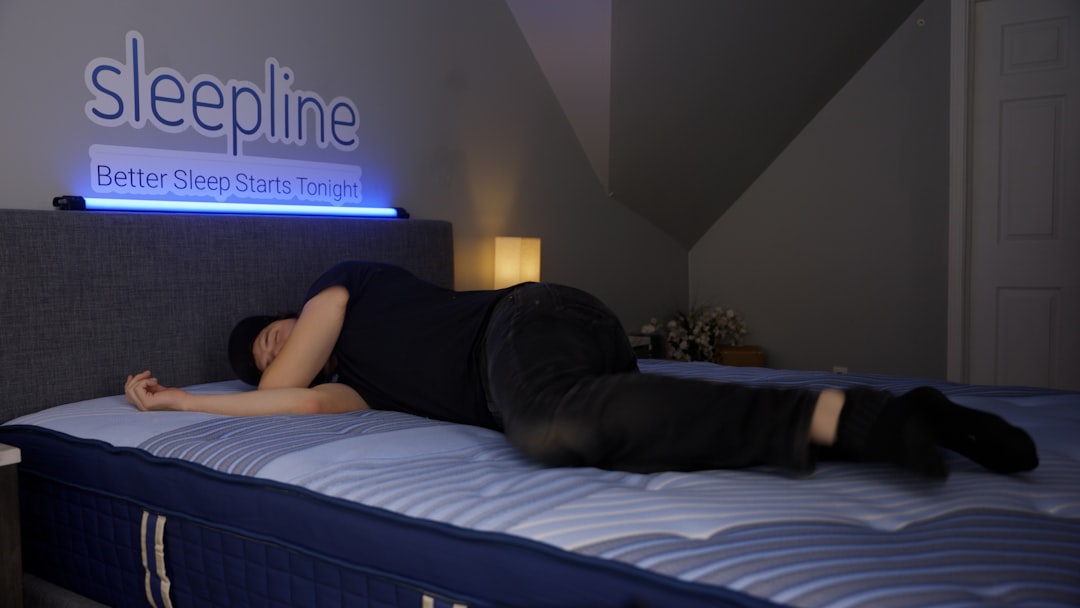
Material choice within that 5cm also matters. Latex tends to be more resilient against humidity-related softening over the long term, while memory foam offers deeper contouring right away. Both can work, but the depth is the common foundation. Without it, even the best material won’t save you from that jarring contact with the firm core underneath. Your hip pain won’t get relief; it’ll get a reminder every night.
Talalay latex's open-cell structure channels air through the mattress core, a feature that's almost essential in our humidity. You'll feel a noticeable difference on a warm night compared to memory foam's denser composition. That breathability isn't just about immediate comfort; it helps manage moisture over the years, preventing the damp feeling that can settle into a mattress. In a typical 12 sqm common bedroom, where cross-ventilation might be limited, this airflow becomes a primary cooling mechanism. Choosing a material that fights heat retention directly addresses a local sleeper's biggest gripe.
Memory foam's slower response time allows for a deeper, more precise cradle around your hips and shoulders. It doesn't just sink; it moulds to your unique shape, distributing weight away from those bony pressure points. A foam mattress is the value route to side-sleeper comfort — foam contours to the body for pressure relief at a lower price than spring builds, and it's lighter and easier to handle. Judge it on foam density rather than thickness, since density decides how long it holds support. Many foam models now add cooling gel for warmer climates. For a side sleeper who wants contouring comfort without the premium-tier spend, a quality foam is a sensible starting point.. This contouring is what many side sleepers, especially those with existing discomfort, actively seek out for relief. The foam's gradual movement means you feel supported, not just floating on top. That specific, targeted sink is a trade-off you accept for the climate benefits of latex.
A Queen mattress in a 12 sqm room often occupies the central floor space, limiting air movement around it. If the room's windows are small or the layout blocks a breeze, the mattress itself becomes a critical part of your thermal regulation. Latex's inherent ventilation works independently of the room's airflow, acting like a built-in cooling layer. Memory foam, without that internal channeling, relies more on the external environment to stay comfortable. In poorly ventilated spaces, that reliance can lead to a warmer sleeping surface you can't easily mitigate.
Heat and moisture are enemies to any foam's integrity over a decade of use. Latex's resistance to humidity helps it maintain its spring and shape longer in our conditions. Memory foam can still last, but the constant warmth might accelerate softening in the comfort layers over time. This isn't about one material failing quickly; it's about which one aligns with the local climate for optimal durability. For a buyer planning to keep a mattress for years, this environmental match affects value.
The choice here isn't ambiguous—if hip or shoulder pain is your main concern, memory foam's contouring is the clear answer. Its pressure relief is simply more pronounced and targeted for side sleeping. The single exception is when that bedroom is genuinely stifling, with little chance for air movement. In that scenario, Talalay latex's breathability becomes a non-negotiable feature for basic comfort. Otherwise, prioritise the material that directly addresses your pain, and manage the warmth with other bedroom strategies.
You can’t tell if a mattress is right for you by scrolling through pictures or reading specs online. Side sleepers especially need to feel the pressure relief on their hip and shoulder, and that’s a sensation you can only gauge by lying down. Ten minutes in the showroom is worth more than ten hours of research at home. Your body knows what it needs, but it won’t tell you until it’s actually on the bed.
Think about the transition from a soft comfort layer to a firm supportive core—it’s a critical detail for spinal alignment. A mattress that’s too soft all the way through lets your hips sink too far, and that’s a recipe for morning ache. A mattress that’s too firm won’t cushion your shoulder at all. You need to feel that gradient yourself, to see how your body settles into the surface before the base holds you steady. Online reviews can’t translate that physical experience for you.
The fabric weave matters too, especially in our climate. A cover that feels rough or traps heat can ruin a perfectly good mattress. You want a texture that’s smooth against your skin and breathable through the humid nights. Run your hand over it, feel the weight and the finish. That’s another thing a website can’t show you—the actual tactile quality of the materials you’ll be sleeping on every night.

Some might say they’ll skip the visit and just order based on a friend’s recommendation or a trusted brand name. That’s a gamble. Even within the same brand, firmness levels can vary between models, and your friend’s body isn’t yours. The one time you could maybe skip it is if you’re replacing an identical mattress you already know and love. Otherwise, you’re buying blind.
So make the trip. For a side sleeper who runs hot, a latex mattress is the cooler alternative to memory foam — it still relieves pressure on the shoulder and hip, but with a more responsive, springier feel and better breathability, so it doesn't trap heat the way traditional foam can. Latex is also naturally hypoallergenic and durable. If you love the pressure relief side sleeping needs but hate sleeping hot, latex is the construction that gives you both.. Bring your partner if it’s a shared bed, because their weight distribution and preferences matter too. Wear comfortable clothes, take off your shoes, and actually get into your usual sleeping position. Stay there. Let your muscles relax and listen to what your joints are telling you. That direct feedback is the most reliable spec sheet you’ll ever get.
Mattress makers love to talk about zoning. You'll hear about seven zones, five zones, three zones—coils or foam arranged to cradle your shoulders, support your hips, keep your spine aligned. For a side sleeper, that sounds like a dream. But in a typical HDB bedroom, where you're sleeping on a Queen that takes up most of the floor space, those zones can turn into a rigid map your body doesn't quite match.
Singapore body types aren't uniform, and our sleeping arrangements are compact. Two people on a 152 by 190cm mattress might not align perfectly with those engineered zones every night. mattress type . If your partner shifts or you curl up a little, you can end up with a firm coil under your shoulder instead of a soft one, creating a pressure point exactly where you need relief. That’s the risk with a zoned system—it’s precise, but it assumes you sleep in one perfect position all night. Many of us don’t.
What often works better is a uniform medium-soft layer. This approach gives you consistent cushioning across the entire sleeping surface. Your shoulders and hips sink into the same forgiving material wherever they land, and your spine finds its natural curve without being forced into a preset grid. It’s less about targeted support and more about overall pressure relief. For the majority of side sleepers, especially in our humid climate where you might shift more to find a cool spot, this all-over softness provides a more forgiving sleep surface.

There’s one exception. If you have a very specific, consistent pain point—say, chronic lower back ache that always flares up on one side—a mattress with pronounced lumbar reinforcement might help. But even then, that reinforcement should be subtle, a gentle firming within the soft comfort layers, not a hard ridge. For general shoulder and hip comfort, the zoned story is often over-engineered for real-life use.
So when you’re testing, lie on your side and roll slightly. See if the support feels like it’s adapting to you, or if you’re having to adapt to it. The best mattress for a side sleeper in a 3-room flat isn’t the one with the most zones; it’s the one that feels consistently gentle where your body meets it, night after night.
A mattress for side sleepers needs softer comfort layers to cushion the shoulders and hips. Medium-soft to medium firmness allows the mattress to contour without letting the spine sag. Thicker memory foam or latex top layers are key for this pressure relief. Proper alignment prevents morning hip or shoulder ache.
Mattress thickness matters for side sleeper comfort—a deeper comfort layer provides more sink-in contouring. Look for a mattress with at least 10cm of dedicated comfort foam or latex above the support core. This depth lets the hips and shoulders press in enough for relief while the core maintains support. Too thin a comfort layer won't cushion those pressure points adequately.
You’ll hear the same few questions again and again when people start looking for a mattress that won’t hurt their hips. Can a firm mattress cause hip pain side sleeper? Best mattress for pregnant side sleeper in Singapore? Memory foam mattress hot for Singapore? How to know if mattress is too soft for side sleeping? They’re all circling the same core problem—pressure relief versus support in our climate.
A mattress that’s too firm won’t cushion your hip and shoulder properly, so you’ll feel the ache the next morning. But one that’s too soft sinks too deep and your spine sags, which is just as bad. For most side sleepers, you want that middle ground—a comfort layer thick enough to cradle you, but a base that keeps your alignment steady. That’s why materials like latex or certain foams get talked about so much; they contour without letting you collapse.
Now, the heat question is a real one for us. Some memory foam can feel warm, but it’s not a blanket rule—the newer ones with open-cell structures or gel infusions manage it better. In a 4-room BTO with the windows closed, any mattress will feel warmer than in a breezy landed house. So if you’re worried about sleeping hot, look for those breathable top layers and maybe a cover that’s easy to wash.
Pregnancy adds another layer. You’re advised to sleep on your left side, and the extra weight means pressure points are more sensitive. The mattress needs to be forgiving but not a swamp—you still need to be able to move. A medium-soft feel with a responsive foam or latex comfort layer often works, because it supports the changing shape without trapping you.
The tell for a mattress being too soft? You roll onto your side and sink so deep your hips and shoulders feel like they’re pushing through to the base. Your spine isn’t level; it’s curved. That’s when you know it’s not right. Choosing the construction matters for a side sleeper, so browsing by mattress range in Singapore helps — memory foam for the deepest contour, latex for cooler pressure relief, hybrid for contour plus a supportive coil base. Each cradles the shoulder and hip differently, so the type sets how the pressure relief feels. Pure spring without a comfort layer is usually the one to avoid for side sleeping. Matching the type to the cradled feel you want narrows the field before comparing models.. The only time a slightly softer setup might be okay is if you’re very light-framed—then you won’t sink as far. But for most, that sinking feeling means trouble.
" width="100%" height="480">Side sleeper mattress shopping: Key considerations for hip pain reliefYour mattress isn't floating in space—it sits on something, and that something can quietly sabotage your hip relief. A divan base, with its solid flat top, gives firm uniform support, which is fine if you like that feel. But in a humid condo bedroom, that sealed box underneath becomes a trap for moisture if it’s not ventilated properly; over time, that can affect the mattress materials resting on it. Slatted bases, with their gaps, let air circulate, which helps in our climate. A side-sleeper pick sits within the wider queen size , so it's worth seeing the full spread of memory foam, latex, and hybrid options before deciding. The range is organised so you can filter to the contouring, softer-to-medium-firm builds that suit side sleeping. Browsing it shows how the pressure-relieving options compare on feel and price. Choose the construction and firmness for how you sleep, and the rest of the decision is size and budget.. The real check is the slat spacing—if they’re too far apart, your mattress will sag between them, and your shoulders and hips will sink into those dips instead of getting the even contouring you bought the mattress for.
The pressure relief a side sleeper needs comes from that thicker comfort layer conforming to your body. A platform base—just a flat, often low, frame—is the simplest. It’s stable, but it doesn’t add any cushioning or adjustability. For someone with existing pain, that’s usually okay if the mattress itself is doing its job. The problem is when a platform is just a sheet of plywood on a frame; if the plywood warps even slightly from humidity over the years, you’ll get an uneven foundation. That’s a slow creep you won’t notice until your hip starts complaining again.
My take is that adjustable slats are the winner for most side sleepers here. You can often tweak the firmness zone under your hips or shoulders, which is a subtle but real advantage. They also keep the airflow going, which matters in a room that faces the sea or gets that year-end monsoon dampness. The one exception is if you really need the storage—a divan with drawers solves a practical problem in a 4-room BTO where cupboard space is tight. But then you must check that the divan’s top is ventilated or has a breathable fabric cover; a solid, unventilated divan in a humid room is a risk.
So don’t just test the mattress in the showroom. Ask to see it on the base type you’re considering, or at least press down on a similar setup. Feel if the support is continuous. That gap between slats should be less than the width of your hand, roughly. If you’re investing in a mattress for pain relief, the foundation shouldn’t be the part that gives up first.
You’ve settled on the right mattress for your hips, but the job’s not done until you clear a few practical hurdles. A mattress that feels perfect in the showroom can still become a headache if it doesn’t fit your flat or your life.
First, scrutinise the return policy. For side sleepers, a trial period is non-negotiable—you need to know if that softer comfort layer actually relieves pressure after a few nights at home. Many policies offer a month or more, but read the fine print: does it cover returns if you simply find it uncomfortable, or only for manufacturing defects? A genuine sleep trial lets you walk away without penalty if your shoulder still aches in the morning. That’s the only kind worth having.
Next, think about delivery. In older HDB blocks near Eunos or similar neighbourhoods, lift doors can be narrower. A Queen mattress, rolled or compressed, usually bends into a 90cm doorway, but a rigid, thicker model might struggle. If your corridor has a tight turn or your bedroom door is the standard single-leaf size, confirm with the retailer that their team can handle it. Otherwise, you might face a staircase surcharge or a frustrating afternoon watching them manoeuvre an awkward package.
Finally, measure your existing bed frame. Mattresses designed for side sleepers often have thicker contouring layers, adding several centimetres to the overall height. Your current platform or divan might not accommodate that extra bulk, leaving the mattress perched awkwardly high or even unstable. Take your tape measure to the frame’s interior dimensions and compare them to the mattress specs, leaving a small buffer. The right support is part of the comfort equation—don’t let a perfect mattress sit on an imperfect foundation.